SECRETS D'EDEN
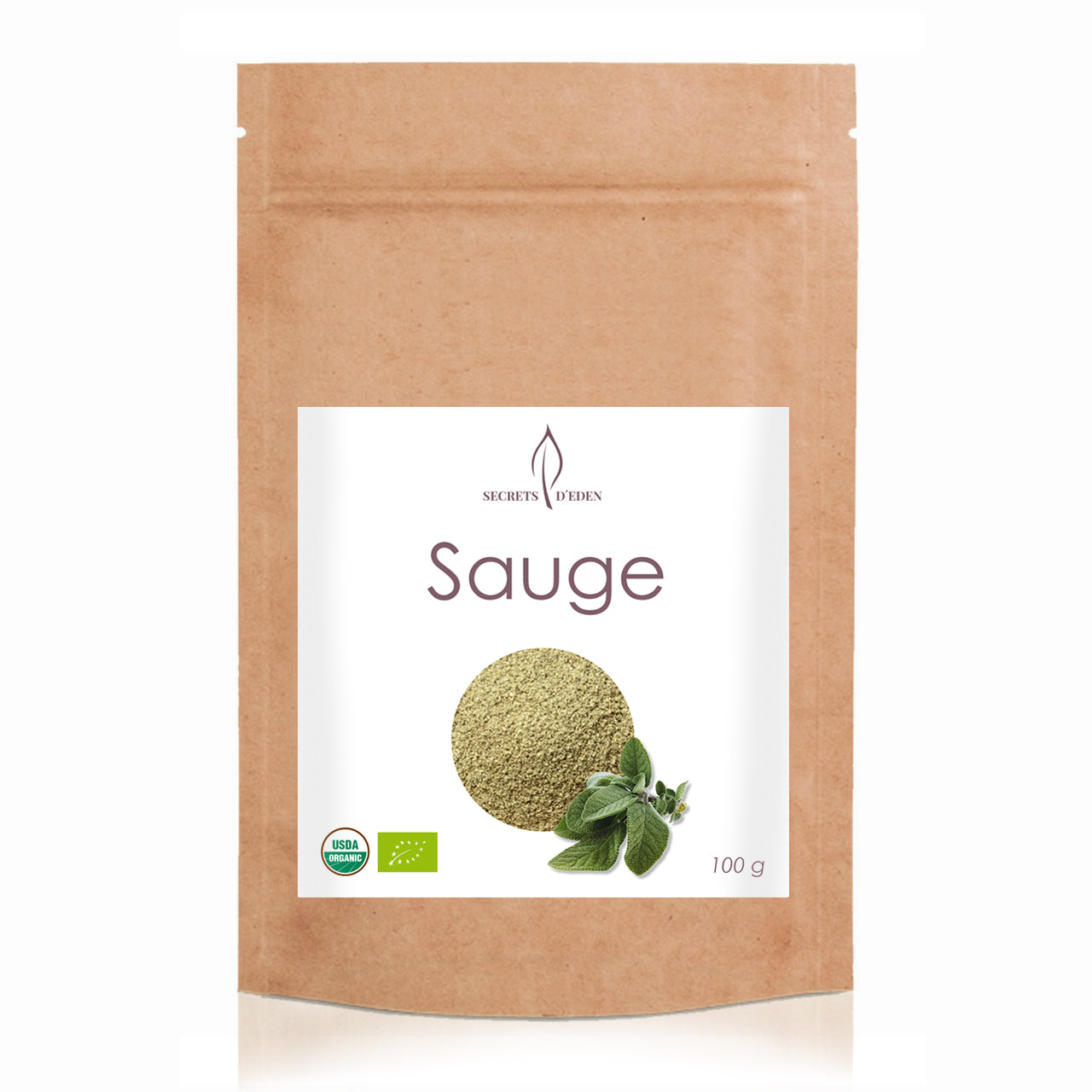
Organic sage powder – High dose
Organic sage powder – High dose
Couldn't load pickup availability
Sage powder, an aromatic herb with Mediterranean character
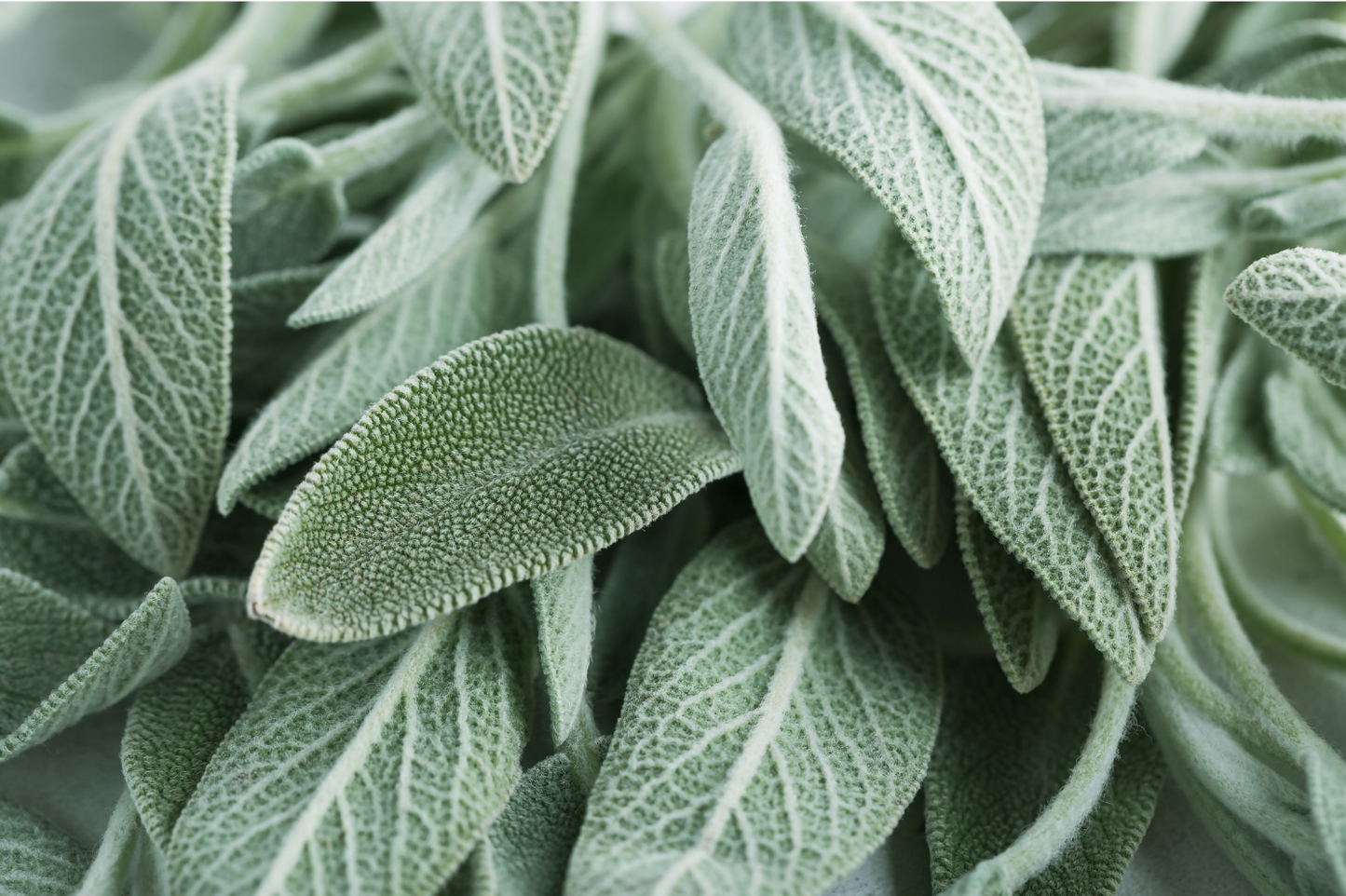
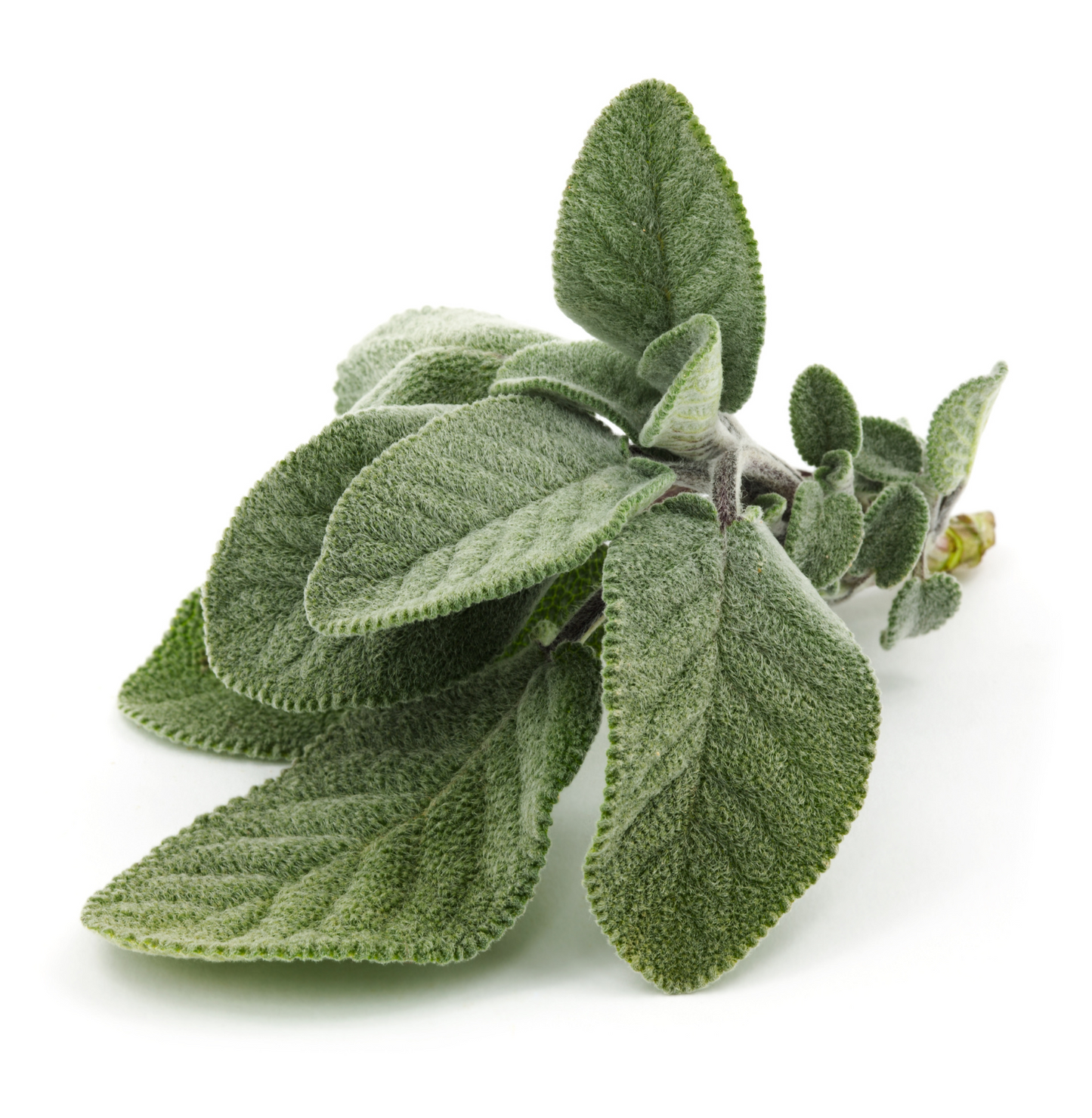
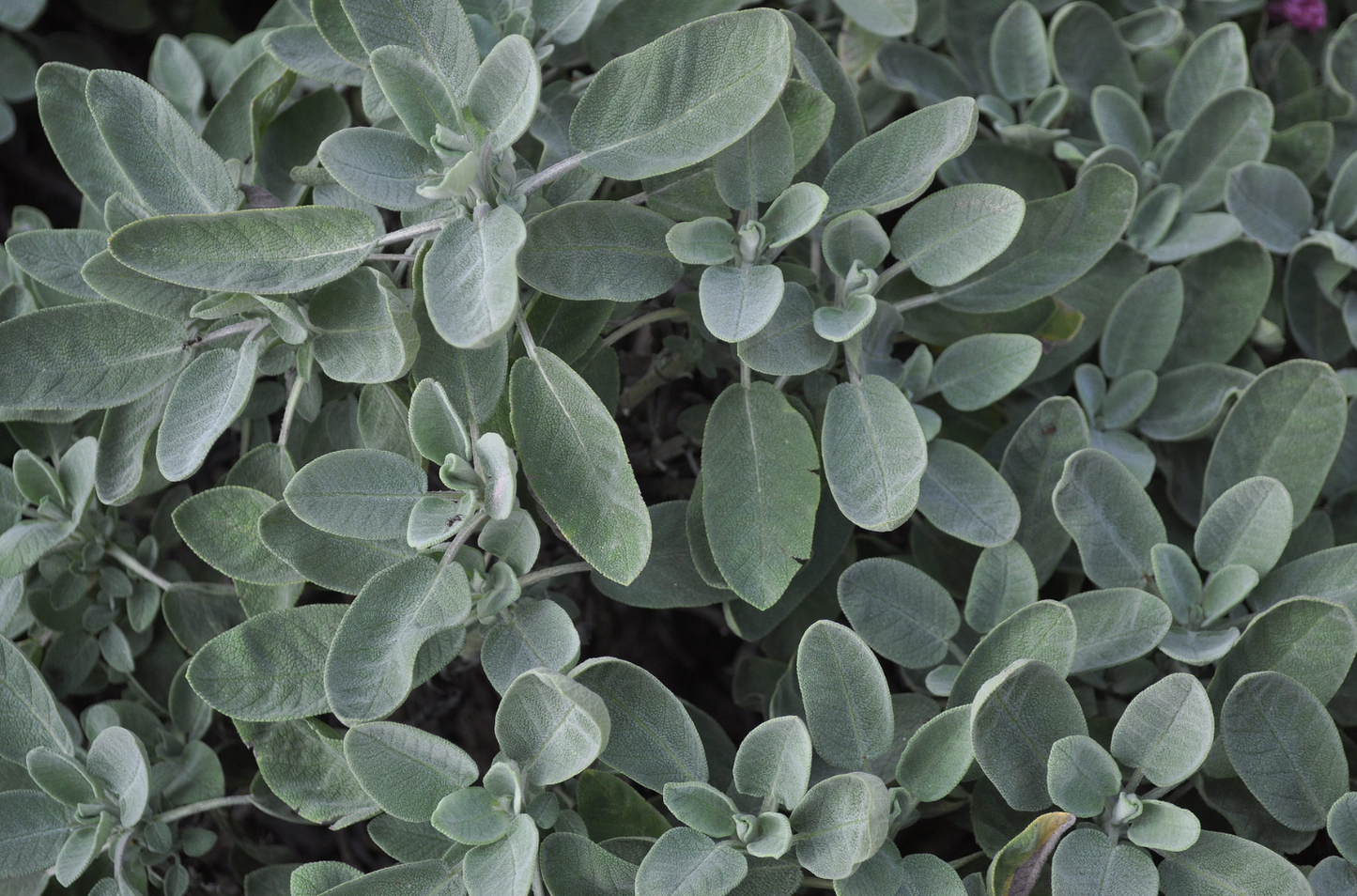
Sage is an aromatic plant that has long been appreciated in Mediterranean cuisines. Its leaves release a powerful, herbaceous, and slightly camphorated fragrance that complements roasted vegetables, sauces, stuffings, pasta, and certain cereal-based dishes. In powder form, it allows for its aroma to be easily diffused throughout a recipe.
This Secrets d’Eden reference is presented as organic sage powder. The historical file cites sage leaves and the name Salvia officinalis, while indicating cultivation in Turkey. This information must be confirmed on the label and in the lot documents: botanical name, plant part, origin, organic status, composition, recommended serving size, best-before date, and lot number.
A cooking herb to be used with finesse
Sage has a strong taste: a small amount is enough to give character to a sauce, a gratin, a vegetable garnish, or a bean recipe. It pairs naturally with squash, potatoes, pumpkin, mushrooms, garlic, lemon, pasta, stuffings, and vegetable-based preparations.
The powder is particularly practical when fresh leaves are not available. Its intensity may vary from one product to another: use it only according to the instructions on your packaging and taste the recipe gradually. This file does not propose medicinal, cosmetic, or external use.
Composition and information to verify
- Ingredient presented on the historical file: sage powder.
- Botanical name cited: Salvia officinalis; to be confirmed on the label.
- Plant part cited: leaves; to be confirmed on the label.
- Origin cited in the historical file: Turkey; to be confirmed for each lot.
The complete list of ingredients, organic status, allergens, recommended serving size, best-before date, and lot number are those indicated on your bag. In the absence of precise information, do not determine a dose or use other than culinary yourself.
How to use sage powder?
If the label authorizes food use, incorporate the indicated portion into a sauce, soup, sautéed vegetables, stuffing, gratin, or cereal preparation. Dilute the powder in a little oil, broth, or sauce before adding it to the dish to avoid lumps.
Sage is used like a spice: it pairs well with a fatty or creamy base, but its fragrance must remain balanced. Avoid combining it without precaution with numerous plant extracts or concentrated powders in the same preparation.
Sage-lemon sauce idea for roasted vegetables
- olive oil or butter according to your preference;
- lemon zest and juice;
- mild garlic or shallot;
- roasted vegetables, potatoes, or squash;
- the portion of sage strictly indicated on your packaging, if its culinary use is authorized.
Gently sauté the garlic or shallot in the fat. Dilute the authorized portion of sage in a spoonful of sauce, add the lemon, and mix with the roasted vegetables just before serving. Lemon helps to balance the aromatic character of sage.
Storage and precautions
Store the bag closed in a cool, dry place away from light and heat. Use a clean, dry spoon and reseal the packaging after each use.
People allergic to aromatic plants should avoid the product in case of known allergy. If you are pregnant, breastfeeding, taking medication, have a particular medical condition, or are preparing for surgery, seek advice from a healthcare professional before consumption. In case of an unusual reaction, stop use.
Frequently asked questions
What does sage taste like?
Sage has a powerful, herbaceous, and slightly camphorated note. It should be dosed sparingly in sauces, roasted vegetables, stuffings, and cereal dishes.
In which recipes should it be added?
It pairs particularly well with squash, potatoes, mushrooms, pasta, stuffings, and lemon sauces.
Can it be used to make an infusion?
This file is limited to a culinary approach. Only follow the intended use and the portion indicated on your packaging.
Does the sage come from Turkey?
The historical file indicates this origin, but it must be confirmed for the lot actually shipped. The label and traceability documents are the authoritative sources.
Partager